Remote does nothing
Dead battery, lost sync, receiver fault, or a board fault behind the receiver.
Gate remote repair in Concord, CA starts with the simplest causes and works outward: dead batteries, a stuck button, lost sync with the receiver, a faulty receiver, or interference. A remote that works at the gate but not from the street points to range, receiver, or interference, not to the motor — and a remote fault is separated from a board or operator fault before any part is replaced.
Tell us what the gate is doing and where in Concord you are. We serve Concord, CA — ZIP codes 94518, 94519, 94520, and 94521.
Call Now 925-265-8944 → Monday–Sunday, 8:00 AM–8:00 PM. Quote on inspection.On this page
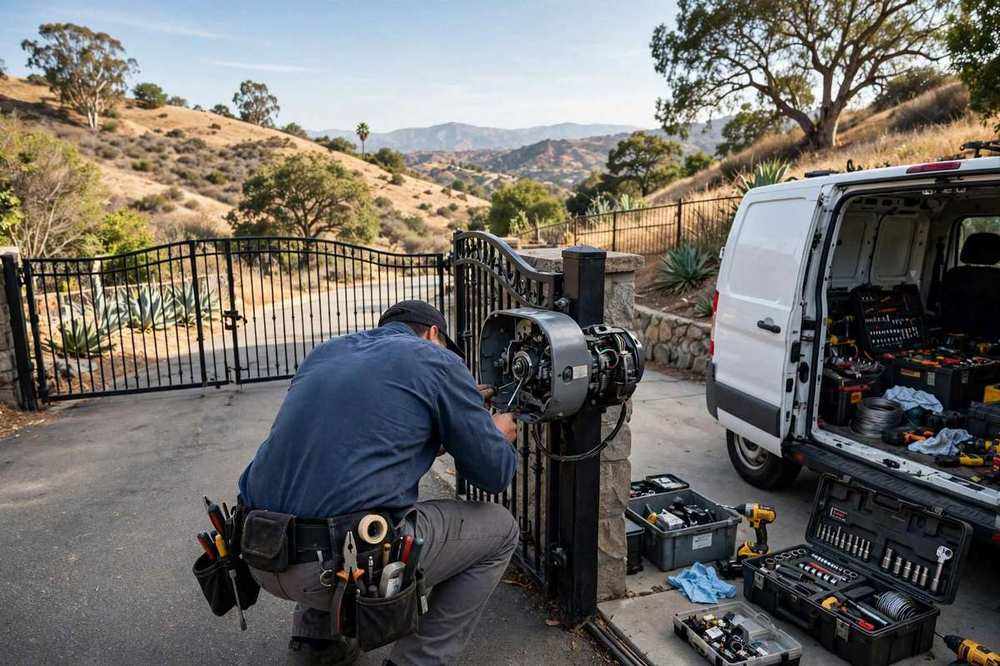
Concord conditions shape these faults. In Concord, gate trouble often starts underground. Local contractors report expansive clay that swells when winter rain soaks it and shrinks as it dries in summer, so posts lean, gates drop out of square, and latches stop lining up. Mature tree roots can heave a post the same way, and on hillside lots near the Diablo foothills a gate that swings uphill drags, binds, and strains its operator. Summer heat warps wood, ages coatings, and stresses opener electronics and batteries, while winter wetness and soil contact drive rust at grade level. Heat ages remote and receiver batteries, and a gate that only fails by remote — while the keypad or wall control works — narrows the fault to the remote path itself.
A remote fault lives in four places, and only one of them is the remote: the fob's battery and buttons, its programming and sync, the receiver and its antenna, and interference or range — plus the gate itself, which a remote is often blamed for when the gate is bound or the operator has failed. In Concord, long driveways test range, summer heat drains fob batteries faster, and a gate that works from the keypad but not from the street is telling a range or receiver story, not a battery story.
Most remote jobs include a signal-path diagnosis and the repair itself: fob battery and buttons, programming and sync, receiver condition and antenna, interference and range, and the operator and gate behind the signal.
Dead batteries and stuck or worn buttons checked first, before the receiver is blamed.
Remotes re-synced to the receiver and tested at operating distance.
Receiver wiring and output tested where remotes are synced but the gate does not respond.
Range tested from the street and driveway; interference sources identified where range has collapsed.
Failed remotes replaced and programmed where repair is not practical.
Call 925-265-8944 during business hours, Monday through Sunday, 8:00 AM to 8:00 PM, and describe what the remote does: nothing at all, works at the gate but not from the street, works intermittently, opens the gate on its own, or works while other remotes do not. Whether it works close up, and whether every remote or only one has failed, separates a battery fault from a receiver or programming fault before anyone travels.
The fob is tested first — battery, buttons, and whether it is stuck — then its programming and sync, then the receiver and antenna, then interference and range from the street, and finally the operator and the gate itself, moved by hand to prove it rolls or swings freely. A bound gate ignores a good remote exactly like a dead receiver does.
Once the fault is found, you get a quote on inspection before work starts. No figures are quoted sight-unseen, because the fix depends on whether the answer is a battery, reprogramming, a replacement fob, the receiver, or the operator's board.
The repair is completed and every remote is tested from street distance, not just at the gate, and the gate is cycled through full travel, with reversing and entrapment-protection functions tested before the visit ends.
You are shown what was done and what to watch for — fob battery condition, range changes, new interference, and stuck buttons — so a returning failure can be described by where it works and where it does not.
Signal-path diagnostic equipment, used so a fob fault, a programming fault, a receiver fault, and a gate or operator fault are told apart before fobs are replaced.
Used to test supply voltage at the receiver and the control board and the board's response to the receiver's signal, separating a receiver or power fault from a fob or programming fault.
Used to check post plumb and gate squareness after a remote repair, since a bound or out-of-square leaf will ignore a perfectly good remote.
Used for receiver, antenna, fob, and hardware adjustment and replacement, including reprogramming and sync, without stripping fixings.
Winter-saturated clay swells and summer-dry clay shrinks, and on a remote-operated gate that movement binds the leaf, so a remote that worked all summer seems to fail in winter — the signal is fine, and the gate is the fault.
What a technician checks first: the battery, and whether the remote works at the gate. Works at the gate but not from the street points to range, antenna, or interference; works nowhere points to battery, programming, or receiver; works for other remotes but not one points to that one fob.
Summer heat drains fob batteries and stresses receiver and board electronics, while winter wetness and soil contact corrode receiver wiring and antenna connections at grade level — a remote's summer failure and its winter failure usually sit at opposite ends of the signal path.
Repaired versus replaced depends on the signal path: a battery or a lost sync is restored, a worn fob is replaced, a failed receiver is replaced, and a board that no longer reads any receiver input points toward board or operator replacement.
Long driveways test remote range more than short ones, and entrances used by many people multiply fobs, receiver traffic, and programming faults — range and fob count shape a remote repair more than the fob's brand.
A common misdiagnosis to avoid: a gate that opens on its own is often a stuck fob button, remote interference, or a faulty board or wiring — not a gate that needs a stronger motor, and not a reason to disconnect a safety device.
Safety note for automated gates: current UL 325 practice calls for two independent means of entrapment protection for each entrapment zone, in each direction of travel, and the two means must be of different types — for example inherent force sensing plus photo eyes or a safety edge. If a monitored sensor faults or is disconnected, the operator should not run. Safety sensors must never be taped over, bypassed, or disconnected to force a gate closed, and controls should sit where a person using them cannot contact the moving gate.
Call 925-265-8944 →Dead battery, lost sync, receiver fault, or a board fault behind the receiver.
Range, receiver, or interference problem, not a motor fault.
Weak battery, stuck button, interference, or a failing receiver.
That remote's battery, button, or sync — not the operator.
No licence number, warranty terms, or firm prices are published on this site, because none have been verified for this business. What you get is an on-site inspection, a quote on inspection, and a safety test after the repair. Hours: Monday–Sunday, 8:00 AM–8:00 PM. Address: 2727 Clayton Rd, Concord, CA 94519, United States. See what customers say on Yelp and Google Maps.
Describe what your gate is doing and where in Concord you are, and we will arrange a visit during business hours. Call 925-265-8944, Monday through Sunday, 8:00 AM to 8:00 PM. You can also read customer comments on Yelp and Google Maps — no review quotes are published here.
That pattern points to range, receiver condition, or interference rather than the motor or board. Range is tested from both positions on site.
It depends on the test: a dead battery or lost sync is a remote fix, while synced remotes that still get no response point to the receiver or board. Each is tested before parts are recommended.
Every job starts with an on-site inspection and a quote on inspection — no figures are quoted sight-unseen, because the right fix depends on the gate, the post footings, and the operator. Call 925-265-8944 during business hours, Monday through Sunday, 8:00 AM to 8:00 PM, to arrange a visit.
Safety note for automated gates: current UL 325 practice calls for two independent means of entrapment protection for each entrapment zone, in each direction of travel, and the two means must be of different types — for example inherent force sensing plus photo eyes or a safety edge. If a monitored sensor faults or is disconnected, the operator should not run. Safety sensors must never be taped over, bypassed, or disconnected to force a gate closed, and controls should sit where a person using them cannot contact the moving gate.
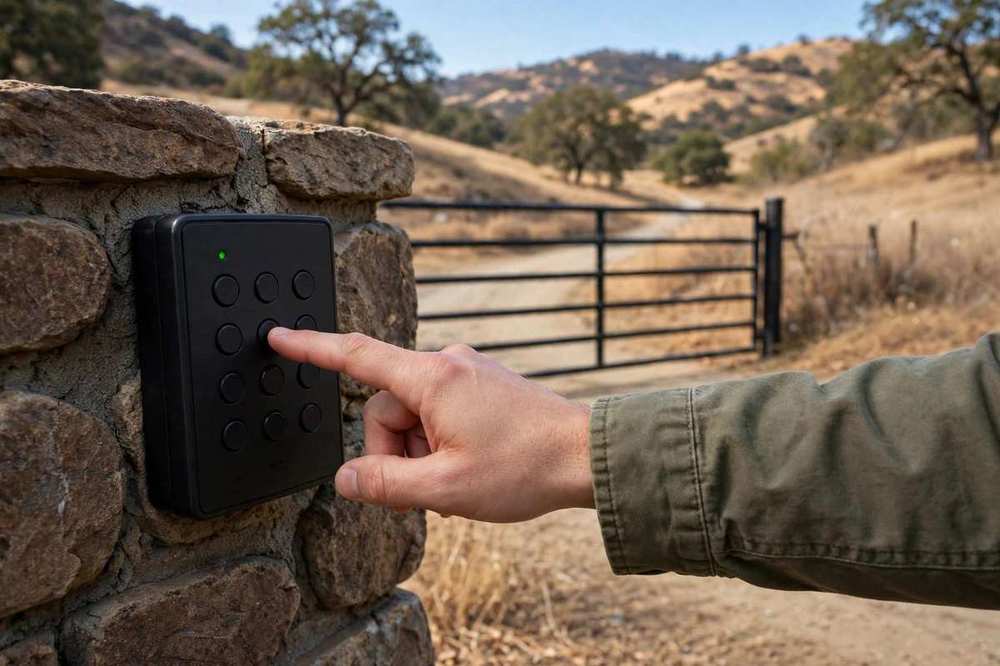 Gate Keypad RepairGate keypad repair in Concord, CA covers wired and wireless keypads, their power and wiring, and the control board inputs they feed. A keypad that does not respond, accepts some codes and not others, or fails after rain Explore →Gate Opener RepairGate opener repair in Concord, CA deals with the operator itself: the motor, gearbox, drive chain or arm, control board, limits, and receiver. Openers are sized by gate weight, gate length, and daily cycle count, so a buExplore →
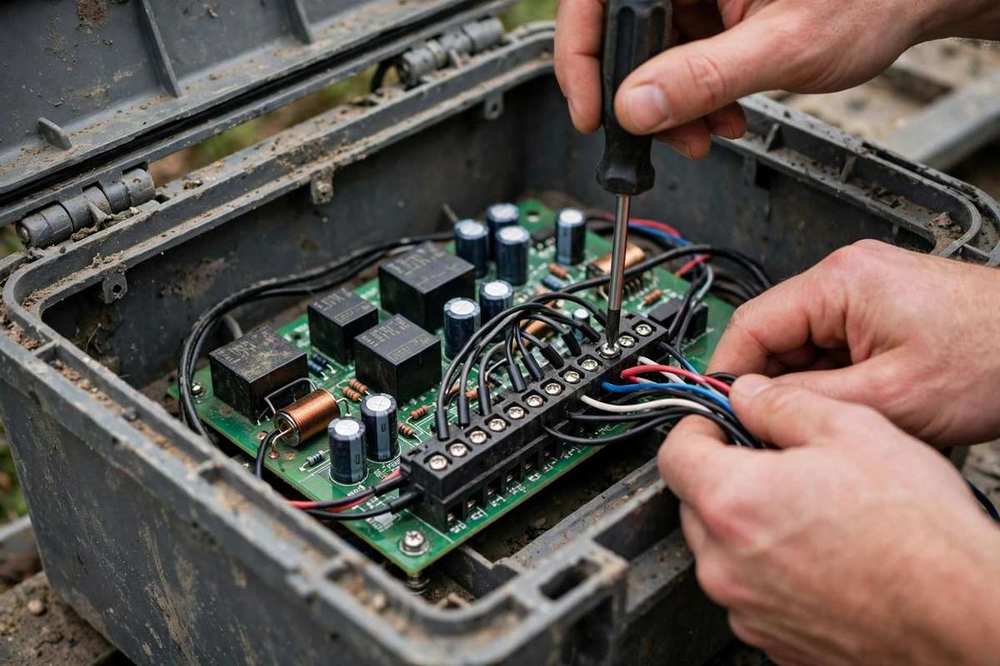 Gate Control Board RepairGate control board repair in Concord, CA deals with the gate's brain: the board that reads remotes, keypads, sensors, and limits and drives the motor. Boards fail after power surges and outages, lose travel settings, or Explore →
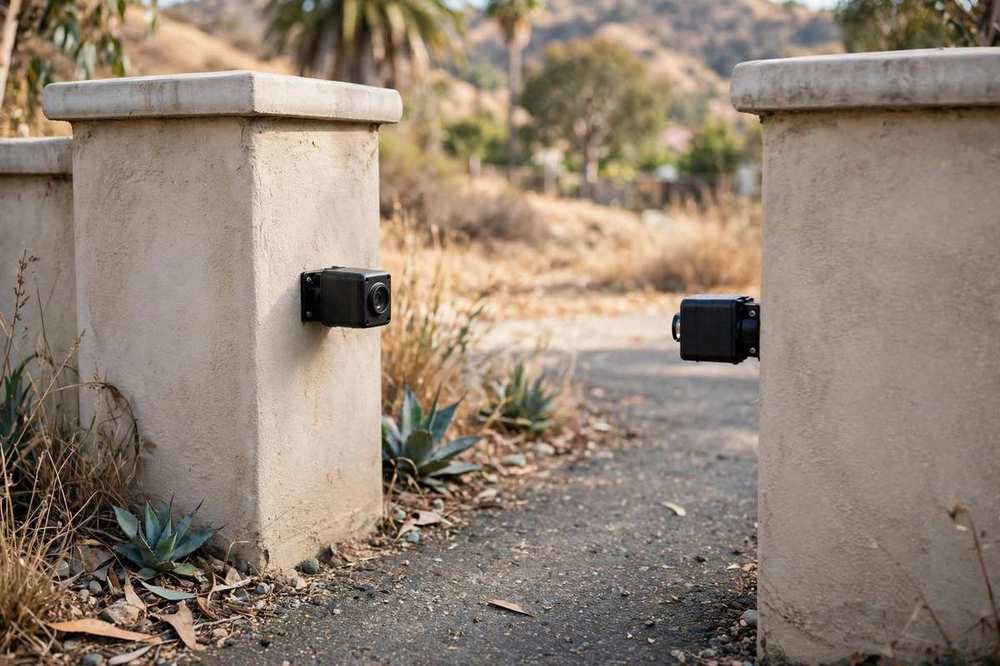 Gate Sensor RepairGate sensor repair in Concord, CA covers the devices that keep an automated gate from closing on a person, pet, or vehicle: photo eyes, safety edges, vehicle loops, and force sensing. A gate that opens but will not closeExplore →Automatic Gate RepairAutomatic gate repair in Concord, CA covers the whole system — operator, control board, safety circuit, and the gate itself — because a gate that will not move is rarely one failed part in isolation. A motor that hums buExplore →Electric Gate RepairElectric gate repair in Concord, CA covers the powered side of a gate: supply and wiring, transformer, control board, motor, and the access and safety devices wired into them. When an electric gate is dead, intermittent,Explore →
Call Grand Gate Repair of Concord Company at 925-265-8944, Monday through Sunday, 8:00 AM to 8:00 PM, for gate remote repair in Concord, CA. You will get an on-site inspection and a quote on inspection.
Call Now 925-265-8944 →Call us at 925-265-8944 during business hours to arrange a visit. Tell us the gate type and what it is doing, and we will come prepared to diagnose it. See our Concord service area and our contact page for full details.